Your Next Big Move: A Friendly Look at UK Property Investment for Expats

Thinking about investing in UK property while living abroad? It’s a fantastic idea that many expats consider, and for good reason! The UK property market has long been a beacon of stability and potential growth, making it an attractive option whether you’re planning a future return or simply seeking a solid investment. Let’s unpack what makes this such a compelling opportunity and what you’ll need to know to navigate it successfully.
Why UK Property? Enduring Appeal and Solid Foundations
The UK’s property market boasts a resilience that’s quite appealing. With strong rental demand in many areas and a consistent, albeit sometimes fluctuating, history of capital appreciation, it offers a tangible asset that can diversify your investment portfolio. Plus, there’s the emotional connection – owning a piece of home, even when you’re far away, can be incredibly reassuring.






Essential Considerations for Expats
Investing from afar comes with its own set of nuances. Here are some key areas to focus on:
#### 1. Financing Your Investment: Mortgages from Afar
Securing a mortgage as an expat can be a bit different from a resident application. Many mainstream lenders might not cater to non-residents, but don’t fret! There are specialist expat mortgage providers who understand your unique financial situation. You’ll typically need a larger deposit – often 25% or more – and be prepared to provide extensive documentation regarding your income, residency status, and credit history. It’s all about proving your financial stability, even across borders.
#### 2. Navigating the Tax Landscape
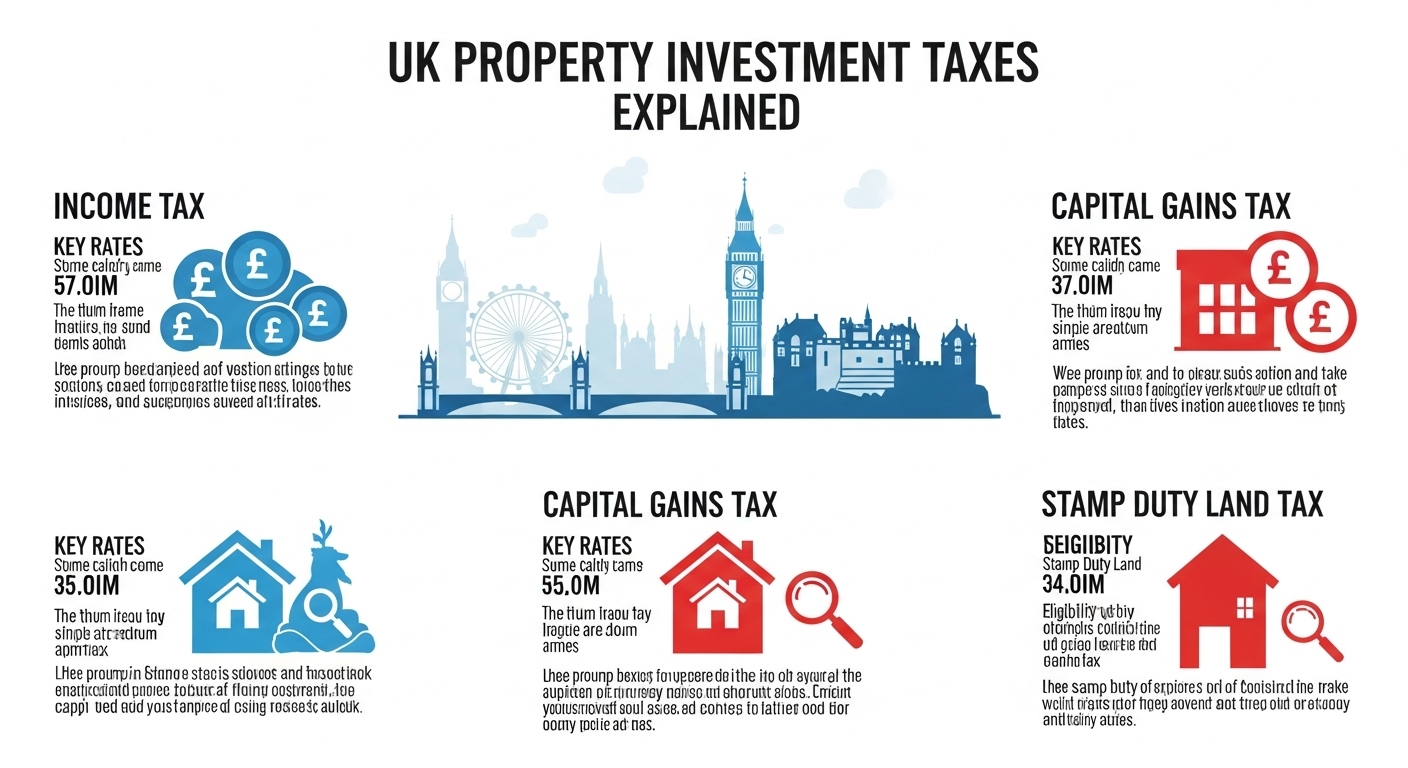
This is an area where professional advice is truly invaluable. As an expat property owner, you’ll encounter several taxes:
- Income Tax: If you rent out your property, any rental income will be subject to UK income tax. However, you can offset allowable expenses.
- Capital Gains Tax (CGT): When you sell your property, any profit (gain) might be subject to CGT. Your residency status at the time of sale will significantly impact this.
- Inheritance Tax (IHT): UK property is considered a UK-situs asset and is generally subject to UK IHT, regardless of your domicile status.
- Stamp Duty Land Tax (SDLT): This is a tax on property purchases. Expats also face an additional 2% surcharge on top of standard SDLT rates if they are non-resident for tax purposes.
It’s a lot to take in, but understanding these points early will save you headaches later.
#### 3. Legal and Regulatory Framework
The legal process of buying property in the UK, known as conveyancing, is handled by solicitors. They’ll manage the legal transfer of ownership, conduct searches, and ensure everything is above board. It’s crucial to appoint a solicitor who has experience dealing with expat clients, as they’ll be familiar with international communication and specific expat-related legalities. Additionally, consider appointing a reliable property manager if you plan to rent out your property, especially if you’re not physically present.
Choosing Your Investment Wisely
With the UK being so diverse, where should you put your money?
- Location, Location, Location: London often comes to mind, but regional cities like Manchester, Birmingham, Leeds, and even certain coastal towns offer compelling yields and growth potential, often with more accessible entry prices. Research local demand, infrastructure projects, and rental yields.
- Property Type: Are you eyeing a city apartment for young professionals, a family home in the suburbs, or perhaps a new-build for lower maintenance? Each has its pros and cons regarding tenant appeal and upkeep.
Making a Smooth Start
To ensure your investment journey is as smooth as possible:
- Seek Expert Advice: Engage with financial advisors, mortgage brokers, and solicitors who specialize in expat property investment. Their insights are invaluable.
- Do Your Homework: Thoroughly research potential areas, property types, and market trends.
- Plan for Contingencies: Unexpected costs can arise, so having a buffer is always a wise move.
In conclusion, investing in UK property as an expat is a very achievable and potentially rewarding venture. While there are certainly complexities to navigate, with the right guidance and a clear understanding of the process, you could soon be a proud UK property owner, securing a valuable asset for your future.